Meniscus Tear Treatment in Dubai
Meniscus Tear Treatment in Dubai - Overview
A meniscus tear can be a distressing experience, often causing pain, swelling, and limited movement that disrupts daily life. Whether the injury results from a sudden twist during sports or gradual wear and tear, patients facing this diagnosis deserve both expert care and compassion throughout their recovery journey. Meniscus tear treatment in Dubai—typically performed using minimally invasive arthroscopic techniques—aims to repair or remove the damaged cartilage, restore knee function, and help patients get back to their normal activities as quickly and safely as possible.
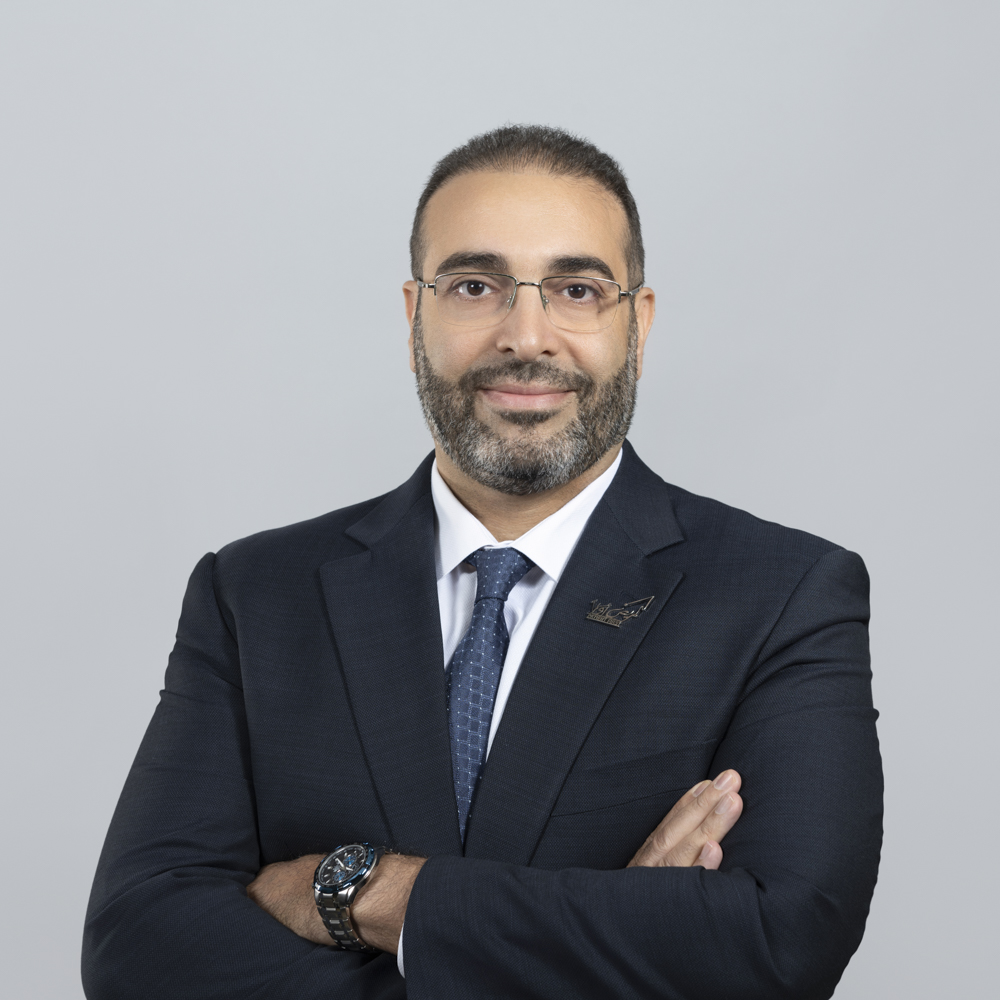
Our renowned knee specialist, Dr. Mohamed Elfekky, brings unparalleled dedication to restoring your mobility and comfort. With a patient-centered approach, Dr. Elfekky combines cutting-edge surgical techniques with an enhanced recovery system, ensuring faster healing, reduced discomfort, and a personalized care plan tailored to your unique needs.
Understanding Meniscus Tears
Each knee contains two menisci—medial and lateral—that help distribute weight and absorb shock during movement. A meniscus tear can result from sudden twisting, squatting, or direct trauma. It is also common in individuals with degenerative joint changes due to aging.
Common Symptoms
- Sharp or persistent knee pain
- Swelling and stiffness
- Clicking or locking sensation in the knee
- Limited range of motion
- Difficulty bearing weight or walking
Meniscus Tear Treatment Options
Treatment may vary according to the type, location, and severity of the tear, as well as the patient’s age and activity level.
Non-Surgical Options
For small, stable tears—especially in the outer (vascular) zone of the meniscus—non-surgical treatment may be attempted:
- Rest, ice, compression, and elevation (RICE)
- Anti-inflammatory medications
- Physical therapy
- Knee braces or supports
However, if symptoms persist or the tear is large or displaced, surgical repair or partial meniscectomy becomes necessary.
Meniscus Tear Knee Surgery: What to expect?
1. Arthroscopic Meniscus Repair
When the tear is located in a region with good blood supply, Dr. Elfekky may opt to repair the torn meniscus using sutures. This approach aims to preserve the meniscus and maintain long-term joint health. Healing may take longer, but the outcomes are highly favorable for active individuals.
2. Partial Meniscectomy
If the tear is in the avascular zone or the tissue is too damaged to repair, the torn segment of the meniscus is trimmed and removed. This allows the remaining healthy meniscus to continue protecting the joint.
3. Meniscus Root Repair or Transplant
In complex or chronic cases, additional procedures such as root repair or meniscal transplantation may be performed to restore knee biomechanics and prevent arthritis progression.
Dr. Elfekky’s Exclusive Open Cryoablation for Enhanced Recovery
A significant concern following any knee surgery is postoperative pain, which can delay rehabilitation and affect long-term outcomes. To address this, Dr. Mohamed Elfekky best knee surgeon in dubai uniquely integrates his proprietary open cryoablation technique during all knee procedures, including meniscus tear surgeries.
What is Open Cryoablation?
This method involves the targeted freezing of specific pain-transmitting nerve fibers during surgery. By ablating these sensory nerves using controlled cryogenic temperatures, the technique reduces pain signals from reaching the brain, without affecting motor function.
Benefits of Dr. Elfekky’s Cryoablation Technique
- Remarkable reduction in postoperative pain
- Minimized need for opioids or painkillers
- Earlier mobilization and physical therapy
- Shorter hospital stays
- Faster return to daily activities and sports
This innovative approach is one of the key differentiators in Dr. Elfekky’s practice, setting a new benchmark in enhanced recovery pathways for knee patients.

Postoperative Care and Recovery Timeline
Recovery after meniscus surgery depends on the type of procedure performed:
- Meniscus repair: Weight-bearing is restricted for a few weeks; recovery may take 3–4 months.
- Partial meniscectomy: Quicker recovery, usually within 4–6 weeks.
Thanks to the open cryoablation used during surgery, patients under Dr. Elfekky’s care typically experience reduced discomfort, smoother rehab progression, and improved overall satisfaction.
Post-surgical rehabilitation includes:
- Guided physical therapy
- Strengthening exercises
- Gradual return to low-impact and later high-impact activities
Why choose Dr. Mohamed Elfekky for Meniscus Tear Surgery?
- Subspecialty-trained in advanced knee procedures
- Utilizes arthroscopic techniques for precision and minimal invasion
- Inventor of the open cryoablation technique for intraoperative pain control
- Proven track record in sports injuries and complex meniscal pathology
- Dedicated to patient-centered, fast-track recovery programs
Whether you’re an athlete aiming to return to the field or an individual looking to regain daily function, Dr. Elfekky offers evidence-based, tailored care with a commitment to excellence.
Frequently Asked Questions
1. How is a meniscus tear treated?
Treatment depends on the severity and location of the tear. Options include:
- Rest, Ice, Compression, Elevation (RICE)
- Physical therapy to restore strength and mobility
- Injections (e.g., PRP or corticosteroids)
- Arthroscopic surgery for repair or removal in severe cases
2. What is the best way to treat a torn meniscus?
Mild tears often heal with rest and rehab, while complex or displaced tears may require arthroscopic surgery. A consultation with a knee specialist determines the best approach.
3. How to treat a medial meniscus tear?
A medial meniscus tear may be treated with:
- Activity modification
- Strengthening and mobility exercises
- Knee support or bracing
- Surgery, if conservative options fail
4. Can you heal a meniscus tear naturally?
Yes—small, stable tears (especially on the outer edge) can often heal naturally with time, rest, and physiotherapy. However, inner tears with poor blood supply may not heal without intervention.
5. How long does meniscus tear recovery take?
Recovery times vary:
- Non-surgical treatment: 4–8 weeks
- Post-surgery (partial meniscectomy): 4–6 weeks
- Post-surgery (meniscus repair): 3–6 months
6. How do you know when a torn meniscus is healed?
Signs of healing include:
- No pain during walking or bending
- No swelling
- Full range of motion restored
- Strength and stability return during activity
7. How to treat meniscus injury without surgery?
Non-surgical options include:
- Rest and anti-inflammatory medication
- Physical therapy
- Knee braces
- PRP injections to boost healing
8. How to fix meniscus pain?
To relieve meniscus pain:
- Use ice for inflammation
- Avoid high-impact activity
- Try physiotherapy and stretching
- Consider guided injections for pain control
9. How often do meniscus tears need surgery?
Only about 10–20% of meniscus tears require surgery. The decision depends on the tear’s size, location, and whether it causes joint locking or instability.
10. How long after a meniscus tear can I return to sports?
- After physical therapy: 4–6 weeks
- After surgical repair: 4–6 months
Return depends on healing progress, leg strength, and absence of swelling or instability.
11. How much time does it take for a torn meniscus to heal?
Healing time depends on treatment and tear location. Natural healing may take 4–8 weeks, while surgical repair takes up to 6 months for full recovery.
12. How long does a meniscus tear last if untreated?
An untreated meniscus tear may persist for months or years, and can worsen over time, leading to cartilage damage and osteoarthritis.
13. What can help with a torn meniscus?
- Anti-inflammatory medications
- Ice therapy
- Physical therapy
- Strength-building exercises
- Injections or surgery (if needed)
Seek Well-Guided Meniscus Tear Treatment in Dubai with Dr. Mohamed Elfekky
If you’re experiencing symptoms of a meniscus tear or have been advised to consider surgery, schedule a consultation with Dr. Mohamed Elfekky today. With cutting-edge surgical expertise and a proven recovery strategy, he can help you restore your active lifestyle faster, safer, and with lesser pain.
Regain strength. Restore motion.
Recover with confidence—only with Dr. Elfekky’s expert and advanced knee care.