
PCL Reconstruction Surgery in Dubai | Posterior Cruciate Ligament Repair
Regain Knee Stability. Reclaim Confidence in Movement
PCL reconstruction surgery is a crucial solution for individuals suffering from knee instability due to a torn posterior cruciate ligament, an often underdiagnosed yet functionally significant knee injury. Patients seeking PCL reconstruction surgery in Dubai often experience knee instability that worsens with walking, running, or descending stairs. This advanced surgical procedure offers lasting stability and helps prevent long-term joint degeneration, especially in active patients and athletes who rely on full knee performance.
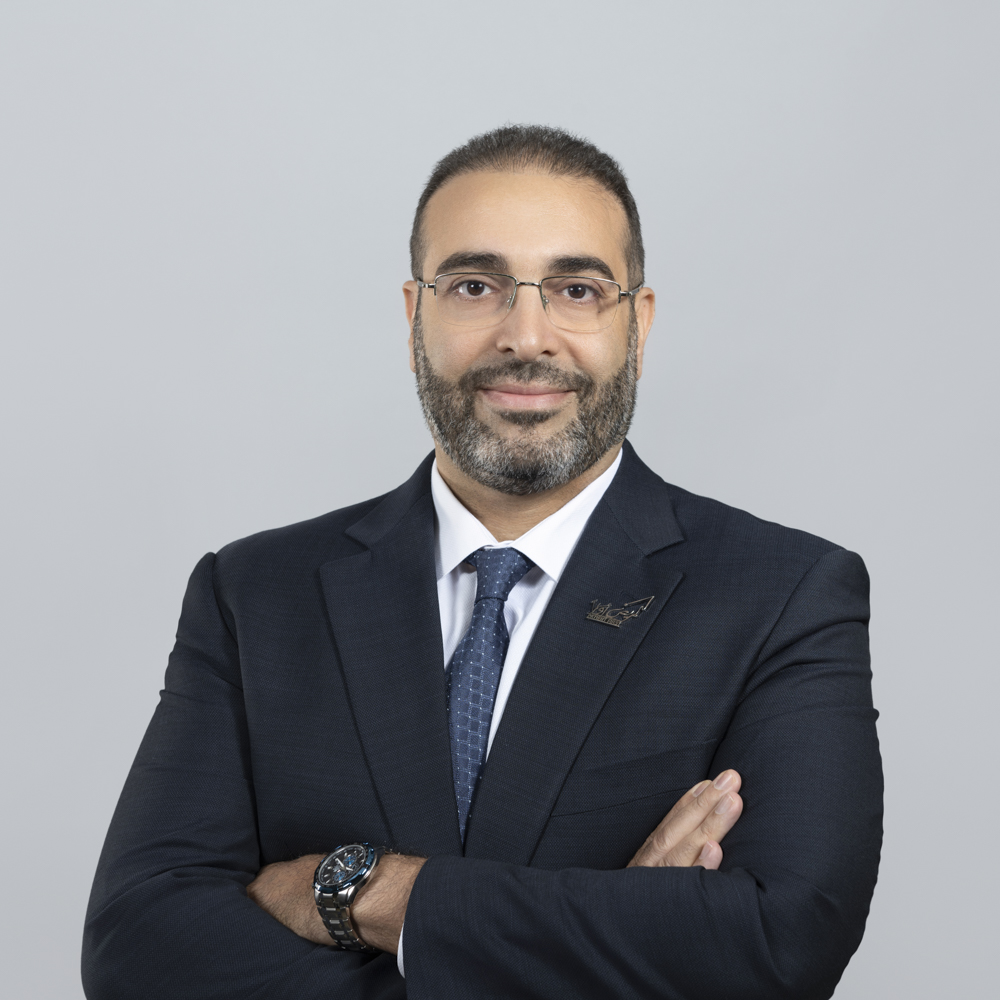
Dr. Mohamed Elfekky, offers evidence-based surgical solutions rooted in global innovation and personalized recovery plans.
What Is a PCL Injury?
The posterior cruciate ligament (PCL) is located at the back of the knee joint which stabilizes the knee. It connects the femur (thighbone) to the tibia (shinbone) and prevents the lower leg from shifting too far backward. A PCL injury occurs when the posterior cruciate ligament is stretched or torn. Posterior cruciate ligament injury in Dubai is frequently seen after sports trauma, road accidents or direct blows to the knee.

Common causes of PCL injuries include:
- A hard impact to the front of the knee (e.g., during a car accident)
- Falling directly onto a bent knee
- A posterior cruciate ligament injury can lead to knee instability and discomfort, often requiring expert evaluation to restore joint function.
- Twisting or overextending the knee during sports or physical activity
Severity and risks:
- Injuries may range from mild sprains to complete ligament tears
-
Without proper treatment, a PCL injury can lead to:
Ongoing knee instability
Uneven wear on cartilage,
Early onset of arthritis in the knee joint
Understanding PCL Reconstruction Surgery
Reconstruction surgery is recommended when the PCL is significantly torn or stretched beyond healing. In this surgery, the torn PCL is carefully reconstructed using a graft, typically taken from the patient’s hamstring or patellar tendon, or in some cases, a donor tendon is used to restore stability to the knee. PCL tear repair in Dubai focuses on restoring knee stability with precise graft placement and minimally invasive techniques.
Key Goals of the Surgery:
- Restore proper knee alignment and stability
- Prevent further joint deterioration
- Allow return to sports, work, and active living
The procedure is performed arthroscopically (using a camera through small incisions), allowing for greater precision, less tissue trauma, and quicker recovery.
When Is Surgery Recommended?
PCL reconstruction surgery is recommended in case of:
- Ongoing knee instability or buckling
- Grade III injury (complete tear)
- Associated damage to other ligaments (multi-ligament injury)
- Non-surgical treatments are not providing relief
Early surgical consultation is key. Athletes and individuals having an active lifestyle need to consult timely to restore proper knee function.

Recovery After PCL Reconstruction
Recovering from PCL reconstruction is a gradual journey that requires patience, commitment, and professional support. In the first few weeks after surgery, knee will be placed in a brace to protect the new graft. Movement begins with the help of crutches, gradually building up weight on the leg as healing progresses.
Recovery doesn’t end in the operating room, what happens after surgery is just as important.
Regaining knee strength and stability takes time, and that’s where rehabilitation comes in.
A personalized physiotherapy plan is essential for:
- Rebuilding strength in muscles supporting the knee
- Regaining flexibility and complete range of motion
- Improving coordination and balance
What to Expect During Recovery:
- Weeks 0–6: Gentle range-of-motion exercises begin, without any weight-bearing. The focus is on healing and protecting the graft.
- Weeks 6–12: Strength training and low-impact activities begin, such as cycling or pool therapy.
- Months 3–6: Training becomes more dynamic and sport-specific. Agility, endurance, and joint control are emphasized.
- Months 6–9: Most patients return to full activity, depending on how they respond to recovery.
Throughout this time, regular follow-ups with your surgeon and physiotherapist are essential to monitor progress and adjust your rehab plan as needed.
Expert PCL Reconstruction Surgery in Dubai – Dr. Mohamed Elfekky
Dr. Mohamed Elfekky one of the best knee doctor in dubai offers highly specialized care for complex knee ligament injuries, including PCL reconstruction surgery in Dubai. His minimally invasive, precision-based approach ensures reduced recovery time and optimal long-term outcomes.
With over 25 years of international orthopedic experience, four patented innovations in joint preservation, and a leadership role in surgical education, he has become one of the region’s most respected names in knee surgery.
Why Patients Trust Dr. Mohamed Elfekky for PCL Reconstruction
- Less Invasive Surgery Small incisions, faster healing, and minimal tissue damage.
- Tailored Grafts Chosen based on anatomy and activity level.
- Clear, Guided Recovery Step-by-step rehab plans for smooth, steady progress.
- Proven Track Record Trusted by athletes and active individuals across Dubai.
- Patient-Centered Care Honest advice and attentive follow-up.
One of the key concerns after knee surgery is managing pain during the recovery phase. Dr. Mohamed Elfekky takes a proactive step during the operation itself by performing open cryoablation of targeted pain nerves, a technique he has personally developed.
By freezing these nerves during surgery, patients often report significantly less pain afterwards, which helps them get back on their feet sooner and more comfortably.
This is a core part of his enhanced recovery plan for faster healing and greater patient satisfaction
Book Your Consultation with Dr. Elfekky Today
Don’t let a PCL injury hold you back. Get expert care and a personalized recovery plan with one of Dubai’s most experienced knee surgeons.
👉 Take the first step—schedule your consultation now.
Frequently Asked Questions
1. What is PCL reconstruction surgery?
PCL reconstruction surgery involves replacing the torn posterior cruciate ligament in the knee with a graft—often taken from your own tissue or a donor. It restores knee stability, especially in athletes or patients with high-grade tears.
2. When should I consider PCL surgery?
PCL Reconstruction Surgery is recommended when:
- The knee remains unstable after conservative treatment
- The tear is severe (Grade II or III)
- Other ligaments are also injured (multi-ligament injury)
- You’re an athlete or require high-demand knee function
3. What is the recovery time after PCL reconstruction?
Recovery typically takes 6 to 9 months. Most patients return to light activity in 3–4 months and full sports in 9–12 months, depending on rehab progress and tear severity.
4. How long does PCL surgery take?
PCL reconstruction surgery takes approximately 1.5 to 2 hours, but may be longer if other structures (like ACL or meniscus) are also treated.
5. What is a double-bundle PCL reconstruction?
This advanced technique reconstructs both functional bundles of the PCL (anterolateral and posteromedial), improving rotational stability and mimicking natural knee anatomy more closely.
6. Can a PCL injury heal without surgery?
Partial PCL tears (Grade I or II) can often heal with rest, bracing, and physiotherapy. However, complete tears may require surgical reconstruction if instability persists.
7. What is the difference between PCL repair and reconstruction?
- Repair involves stitching the torn ligament back, usually in fresh injuries.
- Reconstruction replaces the ligament with a graft and is more common, especially in chronic or severe cases.
8. What are the precautions after PCL surgery?
Post-op precautions include:
- Wearing a knee brace for 4–6 weeks
- No running or pivoting until cleared
- Gradual rehab under supervision
- Avoiding high-impact sports for 9–12 months
9. How much does PCL surgery cost in Dubai?
The cost typically starts from AED 25,000, depending on hospital, surgeon expertise, and surgical complexity. A consultation with Dr. Mohamed Elfekky will provide a personalized estimate.