
Torn Meniscus Treatment: Symptoms, and Recovery Options After Knee Injury
What Is a Torn Meniscus and How It Happens
A torn meniscus is damage to the cartilage that cushions your knee joint. You have two menisci in each knee—medial and lateral—and tears can happen suddenly during sports when you twist or pivot, or gradually over time due to degenerative wear or cartilage injury in knee. Sports injury meniscus tear is common among athletes who do cutting, jumping, or twisting motions. In older adults, the meniscus weakens, making non‑surgical torn meniscus treatment options more relevant.
Recognizing Torn Meniscus Symptoms
Knowing torn meniscus symptoms matters because early treatment can prevent more damage. Typical signs include sharp pain along the joint line, especially with twisting or rotating the knee, swelling, stiffness, and difficulty straightening the leg fully. Many people notice knee locking or catching when moving. If you ever heard or felt a pop, or the knee gives out under you, or walking stairs feels painful, those are warnings. Some also wonder how to know if you have a torn meniscus versus arthritis pain. The difference is often that meniscus pain is more localized, often worsened by twisting or motion, whereas arthritis tends to cause more diffuse, ache‑like symptoms that increase after rest.
Diagnosing a Torn Meniscus
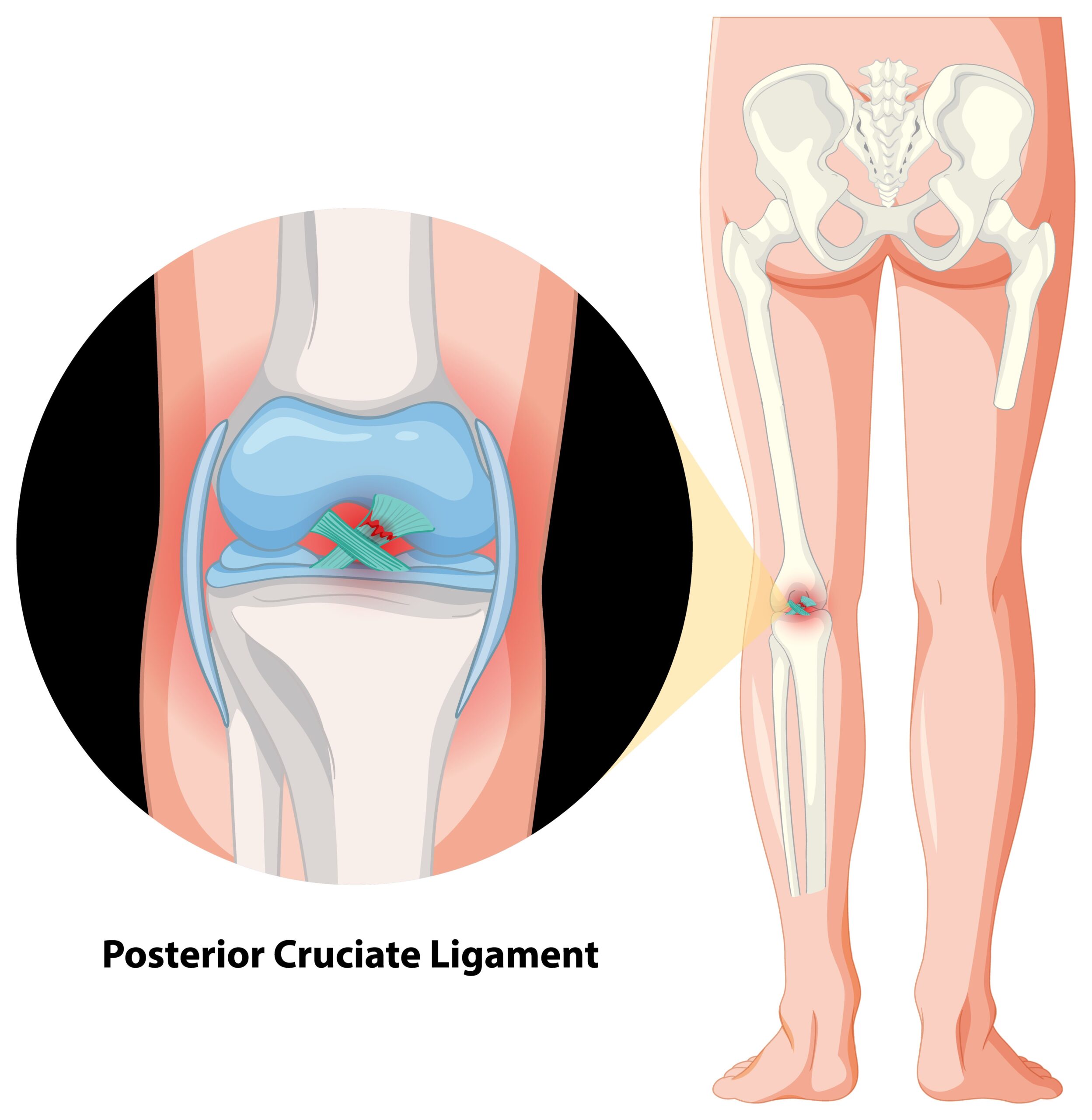
If you report symptoms, your healthcare provider will start with a physical exam. They’ll check for swelling, tenderness, joint‑line pain, locking or catching, and test movements that reproduce symptoms. Imaging often follows if needed. MRI is the best way to see soft cartilage damage; X‑rays help rule out other sources of pain. Arthroscopic inspection may be used in surgical cases. Diagnosis helps determine which type of tear you have, and whether repair or trimming is possible.
Non‑Surgical Torn Meniscus Treatment Options
When torn, a meniscus tear treatment without surgery is possible, many patients find relief via conservative care. That includes rest, avoiding twisting motions, avoiding deep squats or pivots, ice, compression, elevation (RICE), nonsteroidal anti‑inflammatories, and wearing a knee brace or sleeve. Physical therapy for meniscus tear is essential: focusing early on reducing stiffness, restoring range of motion, and strengthening muscles around the knee. Best exercises for torn meniscus recovery include quad sets, hamstring stretches, straight leg raises, low‑impact cycling or swimming, avoiding deep bending early on. Many people improve substantially within 4‑8 weeks with this approach.

When Surgery Becomes Necessary
If pain persists, swelling does not reduce, or mechanical symptoms like locking worsen, surgery may be needed. Arthroscopic meniscus surgery allows minimally invasive meniscus repair or partial meniscectomy (trimming the torn portion) depending on where the tear is and whether the tissue has good blood supply. Tears in the outer “red” zone tend to heal better and are more amenable to repair. If the tear is large or unstable, or if your knee locks, arthroscopic repair may give better long‑term outcomes.
Recovery Time After Surgery and Key Exercises
Recovery after surgery takes time and effort. Meniscus tear recovery time after surgery varies: for partial meniscectomy, many return to light daily activities within 4‑6 weeks, though full strength and motion may take 2‑3 months. For meniscus repair, healing is slower; it may take 3‑6 months or more before you can resume higher‑impact or twisting activities. Physical therapy plays a big role throughout. Early rehab focuses on gentle motion, avoiding movements that twist or stress the meniscus. Strengthening the quadriceps, hamstrings, calves and improving knee stability gradually are essential.
Torn Meniscus vs Arthritis Pain
Many people ask whether their knee pain is from a torn meniscus or arthritis. Torn meniscus vs arthritis pain can be confusing because symptoms overlap. Arthritis usually causes broader stiffness after rest or in the morning. Meniscus tears cause sharp localized pain, catching, swelling episodes after sudden movement or twisting. A careful exam, imaging, and patient history help in distinguishing. Dr Elfekky often considers cartilage injury in knee or pre‑existing arthritis when planning treatment, because these can influence recovery outcomes and treatment choices.
Long‑Term Outlook and Risks of Leaving It Untreated
If a torn meniscus is left untreated, long‑term issues may include repeated swelling, chronic pain, reduced knee function, increased risk of arthritis, and deterioration of articular cartilage. Some tears that are stable or small may remain bearable, but risk increases with age, activity level, or if you repeatedly strain the knee. Managing symptoms early with non‑surgical care is often safer, preserving knee health.
Patient Story: What Recovery Can Look Like
Many people recover well with treatment. For example, someone who tore their meniscus during a soccer game may rest, do physical therapy for several weeks, gradually rebuild strength, and return to sport after 3‑4 months. Another person with a degenerative tear might manage with non‑surgical options for months or years, using knee braces, exercises, and avoiding high‑impact activity. Having realistic expectations helps: surgery helps, but full recovery takes time and often requires lifestyle adjustments.
Orthopedic Solutions for Torn Meniscus
Dr. Mohamed Elfekky focuses on a personalized treatment plan. For some patients, treatment for torn meniscus without surgery is sufficient. For others, arthroscopic meniscus surgery or minimally invasive meniscus repair becomes necessary. He evaluates the tear’s type, location, and whether cartilage injury in knee exists. He integrates physical therapy, nutritional support, brace or sleeve use, and gradually advances exercises. The goal is knee pain torn meniscus reduction, restored mobility, and preventing future damage.
Choose Dr Mohamed Elfekky
Dr Mohamed Elfekky is an orthopedic and pain specialist experienced in treating torn meniscus, cartilage injury in knee, sports injury meniscus tear, and chronic knee pain. He uses both non‑surgical torn meniscus treatment options and arthroscopic meniscus surgery when needed. His expertise in minimally invasive meniscus repair and physical therapy for meniscus tear recovery ensures every patient gets a plan tailored to their condition, their goals, and their lifestyle. He works closely with you on managing pain, restoring function, and helping you go back to what you love doing with confidence.
FAQs
What are the first signs of a torn meniscus?
The first signs of a torn meniscus often occur immediately following a twisting injury or may develop gradually with degenerative tears. Common symptoms include:
- Pain: Sharp, localized pain, often on the inner or outer side of the knee.
- Swelling: Stiffness and swelling around the knee joint, which may develop a few hours or days after the initial injury.
- Mechanical Symptoms: A feeling of the knee “locking” (getting stuck), “catching,” or an audible “clicking” or “popping” sound during movement.
- Instability: A sensation that your knee is giving way or buckling when you try to stand or pivot.
- Limited Motion: Difficulty or pain when fully bending or straightening the knee.
Can a torn meniscus heal on its own without surgery?
Yes, sometimes. A torn meniscus can heal without surgery, depending primarily on the tear’s location and size.
- Healable Tears (Red Zone): The outer third of the meniscus, known as the “red zone,” has a good blood supply and is capable of healing itself with conservative treatment (Rest, Ice, Compression, Elevation, and Physical Therapy).
- Non-Healable Tears (White Zone): The inner two-thirds (the “white zone”) lacks a blood supply. Tears in this area typically cannot heal on their own and may require surgical intervention.
How do I know if my knee pain is a torn meniscus or arthritis?
Differentiating between the two often comes down to the onset and type of pain:
Feature | Torn Meniscus | Osteoarthritis (Arthritis) |
Onset | Sudden, often linked to a specific twisting injury. | Gradual onset; pain worsens over months or years. |
Pain Type | Sharp, immediate, and localized pain. | Dull, aching, and constant pain. |
Symptoms | Causes mechanical symptoms like catching or locking. | Causes stiffness, especially in the morning, and reduced range of motion. |
Aggravation | Pain is heightened by bending, squatting, or twisting. | Pain worsens with activity and may increase after prolonged rest. |
What happens if a torn meniscus is left untreated?
If a symptomatic tear is left untreated, it can lead to several complications:
- Tear Progression: The tear can grow larger or more complex as the frayed edges of the cartilage continue to get pinched or caught in the joint.
- Mechanical Issues: The knee may continue to lock or give way, increasing the risk of falls and further injury.
- Joint Degeneration: The meniscus acts as a shock absorber. When it is damaged, the protective cushioning is lost, leading to increased friction between the femur and tibia. Over time, this loss significantly increases the risk of developing degenerative knee arthritis.
Is walking good for a torn meniscus?
It depends on the pain level.
- Good: Simple, gentle walking that does not cause pain or swelling can be beneficial. Light activity helps lubricate the joint, maintain muscle tone, and may even encourage blood flow, which aids healing.
- Bad: If walking causes increased pain, worsening swelling, a locking/catching sensation, or instability (feeling like your knee gives out), you should stop immediately. Putting weight on a large or unstable tear can potentially worsen the damage.
What is the fastest way to recover from a torn meniscus?
The fastest way to recover involves strictly following a doctor-prescribed protocol:
- Initial Phase (First few days): Apply the R.I.C.E. method (Rest, Ice, Compression, Elevation) to reduce initial swelling and pain.
- Rehabilitation Phase: Engage in a targeted Physical Therapy program to strengthen the muscles supporting the knee (quadriceps and hamstrings) and restore the full range of motion.
- Adherence: Whether you have surgery or not, full adherence to the physical therapy program is the single most important factor for a quick and successful recovery.
Do all meniscus tears require surgery?
No. Surgery is not required for all meniscus tears. In fact, conservative treatment (physical therapy and R.I.C.E.) is the first-line treatment for:
- Small, stable tears (those in the red zone).
- Tears resulting from age-related wear and tear (degenerative tears).
Surgery is generally reserved for tears that cause persistent symptoms (pain, locking) after 3 months of conservative treatment, or for large, complex tears that mechanically impede the knee.
How long does it take to recover from meniscus tear surgery?
Recovery time is highly dependent on the type of surgery performed:
- Partial Meniscectomy (removing the damaged fragment): Full recovery and return to normal activities typically takes about 4 to 6 weeks. Return to intense sports is usually within 3–6 months.
- Meniscus Repair (suturing the tear): This procedure requires a longer recovery because the tissue must heal. It typically takes 3 to 6 months before a full return to high-impact activities. Crutches and bracing are often required for several weeks.
Can you exercise with a torn meniscus?
Yes, you should, but only with specific, low-impact exercises. Strenuous activities, especially those involving twisting, pivoting, or deep squatting, must be avoided.
A physical therapist can guide you through safe exercises, such as:
- Mini-squats (very shallow, controlled motion).
- Straight leg raises.
- Hamstring curls and heel slides.
- Gentle stretching and range-of-motion exercises.
Crucially, if an exercise causes sharp pain, stop immediately.
What is the difference between a partial tear and a full meniscus tear?
In medical terms, tears are often described by their pattern and depth:
- Partial Tear (or Stable Tear): Involves a tear that does not go completely through the width or thickness of the meniscus. These are less severe, usually stable, and often respond well to non-surgical treatment.
- Full-Thickness or Displaced Tear: A tear that extends through the entire structure of the cartilage or one where a fragment of the meniscus flips or displaces into the knee joint (e.g., a “bucket-handle” tear). These tears are more severe, cause mechanical locking, and typically require surgery.
Will a knee brace help with a torn meniscus?
Yes. A knee brace or compression sleeve is often recommended as part of conservative treatment. It helps by:
- Reducing Swelling: Compression minimizes fluid buildup in the knee joint.
- Providing Support: It offers stability, which can ease discomfort during walking and reduce the sensation of the knee giving way.
- Protecting the Joint: For severe tears or post-surgery, a specialized brace can limit harmful rotational movement, preventing the tear from worsening.
What foods help heal a torn meniscus?
While no food can magically repair cartilage, certain foods provide the nutrients necessary to reduce inflammation and promote tissue repair:
- Anti-Inflammatory Fats: Foods rich in Omega-3 fatty acids, such as salmon, tuna, walnuts, and flaxseeds, help reduce pain and swelling.
- Protein: Lean proteins (fish, chicken, beans, Greek yogurt) are the building blocks for new tissue and muscle repair.
- Antioxidants and Vitamins: Brightly colored fruits and vegetables (berries, leafy greens like kale and spinach, oranges) provide antioxidants that fight inflammation.
- Bone/Cartilage Support: Ensure adequate intake of Vitamin C, Vitamin D, and Calcium for overall joint health.
Is a torn meniscus a serious injury?
The severity of a torn meniscus varies widely.
- A minor tear is a common injury that is generally not serious and resolves quickly with conservative treatment.
- A complex or displaced tear is a serious injury because it can cause mechanical locking of the knee, hinder movement, and, if left untreated, significantly accelerate the development of osteoarthritis.
Any symptomatic tear should be diagnosed and treated to prevent long-term damage.
Can you live with a torn meniscus without surgery?
Yes, many people do. If a tear is small, degenerative, or located in an area that does not affect knee stability, and the pain is manageable with physical therapy and occasional medication, living without surgery is a common and viable option. The decision to forgo surgery should be made in consultation with a specialist after a full evaluation of the tear’s type and your symptoms.